







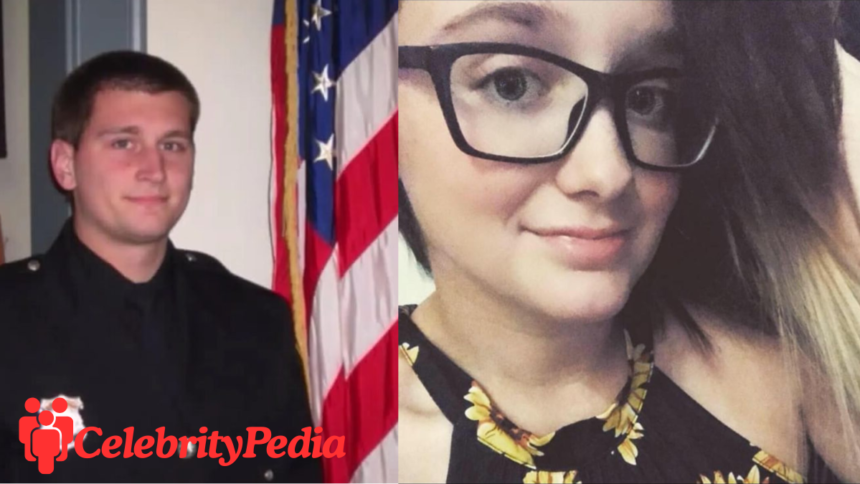
The Kayleigh Hustosky case shocked Painesville, Ohio in August 2018. Learn the full story of the tragic shooting, Dylan Hustosky’s survival, the domestic violence awareness it raised, and what the community did to heal.
On the afternoon of August 13, 2018, a quiet street in Painesville, Ohio, became the center of a heartbreaking story that would ripple far beyond Lake County. What unfolded at 152 Cedarbrook Drive that day left a community grieving, a police department in shock, and thousands of people searching for answers about what could push a seemingly stable household to such a devastating outcome. This is the full story of Kayleigh Hustosky — who she was, what happened, and why her case continues to matter in conversations about domestic violence, mental health, and the hidden pressures that can exist behind closed doors.
Quick Facts: Kayleigh Hustosky Case at a Glance
| Detail | Information |
|---|---|
| Full Name | Kayleigh Marie Hustosky (née Cramer) |
| Date of Birth | February 20 (born in Cuyahoga Falls, Ohio) |
| Age at Time of Incident | 29 |
| Husband | Dylan Hustosky, age 27 |
| Dylan’s Profession | Police Officer, Gates Mills Police Department |
| Date of Incident | August 13, 2018 |
| Time of 911 Call | Approximately 4:14–4:15 p.m. |
| Location | 152 Cedarbrook Drive, Painesville, Ohio 44077 |
| Shots Fired at Dylan | Two gunshot wounds, left arm |
| Outcome – Dylan | Survived; underwent surgery at MetroHealth Medical Center |
| Outcome – Kayleigh | Found deceased at approximately 7:00–7:30 p.m.; single self-inflicted gunshot wound |
| Children | One 3-year-old son (safe with relatives at time of incident) |
| Years Married | Approximately two and a half years |
| Firearm Used | Not Dylan’s service weapon |
| Prior Domestic Violence Reports | None on record |
| Law Enforcement Response | Painesville PD + Lake County SWAT |
| Police Chiefs Involved | Daniel Waterman (Painesville), Greg Minichello (Gates Mills) |
Who Was Kayleigh Hustosky? Her Life Before the Tragedy

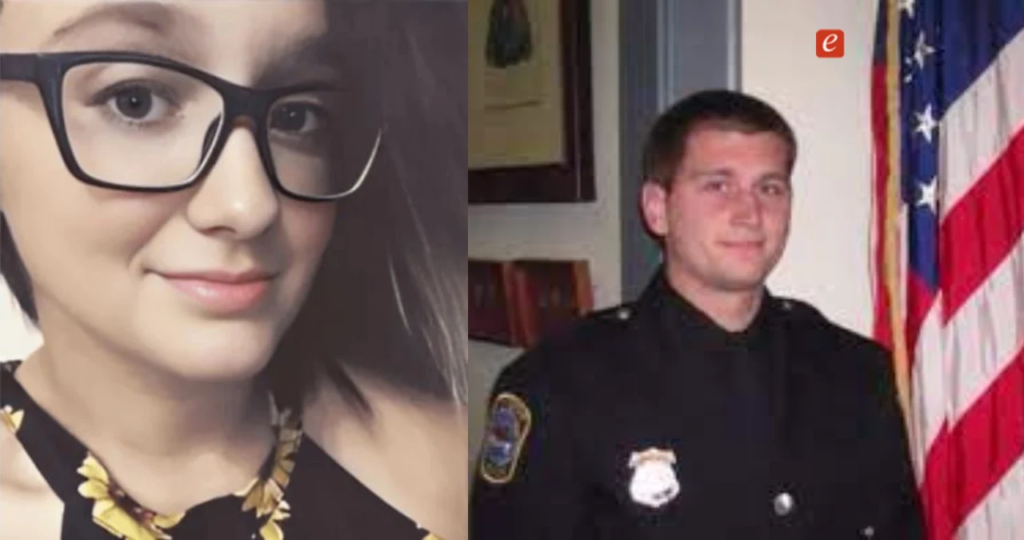
Kayleigh Marie Hustosky, born in Cuyahoga Falls, Ohio, was described by neighbors and those who knew her as a warm, attentive, and deeply devoted mother. At 29, she had built what appeared from the outside to be a stable family life in Painesville. She was a stay-at-home mother to a three-year-old son, and by all accounts, she was the kind of parent who was present — walking her child around the neighborhood, participating in local gatherings, and keeping a welcoming home.
Friends remembered her as someone who was always smiling. There was nothing about her day-to-day demeanor that telegraphed internal struggle. Her social circle, her neighbors, and even local police had no reason to flag concern. There were no prior recorded incidents of domestic trouble. No calls for help. No visible cracks.
That invisibility is, in many ways, what makes the Kayleigh Hustosky story so painful — and so important to understand.
Dylan Hustosky: Police Officer, Husband, Father
Dylan Hustosky was 27 years old at the time of the incident. He had been a sworn officer with the Gates Mills Police Department since 2014, assigned to the patrol division. By every professional measure, he was regarded as an exceptional officer. Gates Mills Police Chief Greg Minichello, speaking at a press conference following the tragedy, said plainly: “I wish I had ten of him.”
Dylan and Kayleigh had been married for roughly two and a half years. They had relocated to Painesville two years prior and were raising their young son together on Cedarbrook Drive, a residential street situated directly across from Heritage Middle School. By all available accounts, the couple appeared happy. There were no documented complaints, no reports filed, and no visible warning signs according to police records.
Dylan’s role as a law enforcement officer added a layer of complexity to this case that experts and community advocates would later discuss at length — the particular pressures that come with policing, the exposure to repeated trauma on the job, and the ripple effects those pressures can have within the family unit, often in ways that go entirely unaddressed.
Kayleigh Hustosky Shooting: What Happened on August 13, 2018
At approximately 4:14 p.m. on August 13, 2018, Dylan Hustosky called 911 from outside his home. The words he spoke to the dispatcher were chilling in their simplicity: “My wife just shot me through the door.”
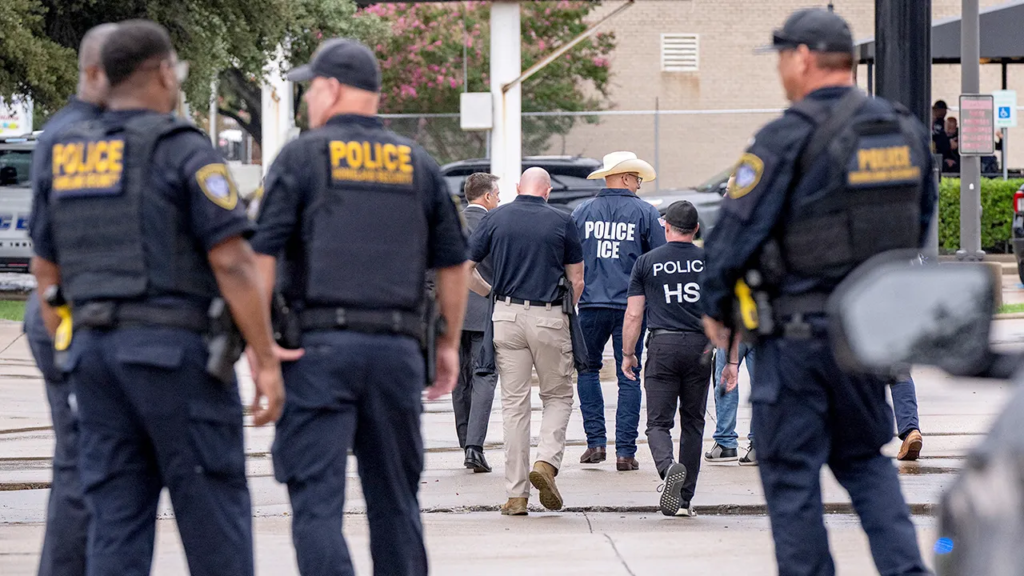
Responding officers arrived to find Dylan across the street from his residence, suffering from two gunshot wounds to his left arm. He was conscious and able to communicate. Emergency personnel transported him first to TriPoint Medical Center in Concord Township, and he was subsequently transferred to MetroHealth Medical Center in Cleveland, where he underwent surgery.
Inside the house, Kayleigh had stopped responding. Officers attempted to make contact with her, calling out and waiting for any sign that she would come to the door. She did not. Given the circumstances and the presence of a firearm, Painesville police immediately requested assistance from the Lake County SWAT team. As a precautionary measure, officials also contacted administrators at Heritage Middle School — located just across the street — to place it on lockdown. School was not yet in session, so no students were endangered.
During the standoff, law enforcement deployed both a robot and drones to enter the residence and attempt to establish communication with Kayleigh. The drones detected no movement. At approximately 7:00–7:30 p.m., SWAT entered the home and located Kayleigh Hustosky upstairs in the bedroom. She had died from a single, self-inflicted gunshot wound. Preliminary autopsy results, confirmed by the Cuyahoga County Medical Examiner’s Office, were consistent with suicide.
The weapon used was not Dylan’s police-issued service firearm. The exact type of weapon was not publicly disclosed. No definitive motive was established.
Kayleigh Hustosky Painesville Ohio: Community Response and Aftermath
The Painesville community was stunned. Police Chief Daniel Waterman held a press conference to address the public, stressing that no prior domestic violence incidents had been documented at the Cedarbrook Drive address. He confirmed that the only prior call from that residence was related to criminal damaging — entirely unrelated to any domestic dispute.
Neighbors struggled to reconcile the news with what they knew of the Hustoskys. The couple had a dog. They kept a tidy home. Kayleigh walked with her son. Dylan was known and respected in the community as a dedicated officer. None of it fit the profile people typically associate with household violence or crisis.
In the weeks and months that followed, Painesville grew more intentional about mental health awareness. Community programs were established. Local advocates began speaking more openly about the intersection of law enforcement stress and family well-being. The town held a memorial for Kayleigh. A tree was planted in her name at a local park. And the Gates Mills Police Department honored Dylan with an award for bravery — acknowledging not just his physical survival, but the enormous emotional burden he carried in returning to work and to life.
Kayleigh Hustosky and Domestic Violence Awareness: What This Case Teaches Us
The Kayleigh Hustosky case does not fit neatly into the conventional domestic violence narrative, and that is precisely why it matters. There were no police calls. No restraining orders. No reported arguments. Yet something was deeply wrong — something that neither the family, nor their neighbors, nor law enforcement had any documented insight into before August 13.
Mental health professionals and domestic violence advocates have long pointed out that the absence of visible warning signs does not mean warning signs are absent. Depression, anxiety, PTSD, and other conditions can manifest internally for years before they surface in catastrophic ways. In households where one or both partners face high-stress professions — particularly law enforcement — the risk of untreated mental health conditions is statistically higher, and the stigma around seeking help is often greater.
The National Coalition Against Domestic Violence estimates that approximately one in four women experience domestic violence during their lifetime, and a significant proportion of incidents go entirely unreported. In the context of the Hustosky case, the more urgent lesson may not be about violence as it is traditionally understood, but about the silent suffering that precedes it — and what communities, employers, and loved ones can do to intervene earlier.
Police departments across the country have, in recent years, begun implementing structured wellness programs. These include confidential counseling, peer support groups, and mandatory mental health check-ins for officers following traumatic incidents on the job. The hope is that by normalizing mental health care within law enforcement culture, fewer families face what the Hustosky family went through.
More Read
Kayleigh Hustosky Obituary: Remembering a Mother and Neighbor
Though a formal, widely published obituary for Kayleigh Hustosky was not extensively circulated in the media, those who knew her in Painesville remembered her consistently as a caring and devoted mother. She was deeply embedded in her family’s daily life, and her absence — particularly for her young son — represented a loss that no memorial or planted tree could fully address.
Kayleigh Hustosky is remembered not as the sum of her final actions, but as a person who was clearly struggling with something that neither she nor those around her fully understood. Her story is not a cautionary tale about violence alone — it is a call for greater compassion, better resources, and a cultural willingness to ask hard questions before tragedy becomes the only conversation left to have.
Kayleigh Hustosky News: Why the Story Continues to Resurface
Years after the events of 2018, the Kayleigh Hustosky case periodically resurfaces on social media and true crime platforms, particularly TikTok. The 911 call placed by Dylan Hustosky has circulated widely, described by many who encounter it as haunting in its calm. The case continues to generate discussion because it defies simple categorization — it is simultaneously a story about domestic violence, mental health, law enforcement stress, grief, and the limits of what visible, documented warning signs can tell us about what is really happening inside a home.
Each resurgence of interest is also an opportunity. An opportunity to direct people toward resources, toward conversations, toward a more nuanced understanding of the many forms that domestic crisis can take.