









Mary Nightingale illness explained: from a frightening throat cancer scare and functional voice disorder to breast cancer recovery. Discover the full health journey and ITV News career of Britain’s most trusted newsreader.
For more than two decades, Mary Nightingale has been the calm, authoritative voice millions of Britons trust each evening. But behind that composed on-screen persona lies a very human story — of a career nearly derailed by a mysterious voice disorder, a breast cancer diagnosis tackled with quiet strength, and a recovery that speaks to the resilience of one of British television’s most enduring figures.
Quick facts
| Full Name | Mary Louise Nightingale |
| Date of Birth | 26 May 1963 |
| Age (2026) | 62 years old |
| Birthplace | Scarborough, North Yorkshire, England |
| Education | BA in English, Bedford College, University of London |
| Career | ITV Evening News presenter since 2001; sole anchor since January 2017 |
| Voice Disorder | Functional dysphonia (stress-related; diagnosed early 2000s) |
| Throat Cancer Scare | Tested for throat cancer in 2002; cancer ruled out |
| Breast Cancer | Diagnosed with early-stage breast cancer (publicly confirmed 2023); full recovery |
| Recovery Approach | Vocal therapy, stress management, lifestyle changes, ITV workplace support |
| Husband | Paul Fenwick (married April 2000, New York City) |
| Children | Molly Fenwick (b. January 2003) & Joe Fenwick |
| Residence | Hammersmith, West London |
| Awards | TRIC Newscaster of the Year — 2002 & 2004 |
| Estimated Net Worth | £1 million – £5 million |
| Current Status (2026) | Active presenter, ITV Evening News — in excellent health |
Mary Nightingale Illness: The Story That Gripped Britain
Few names carry the weight of trust that Mary Nightingale’s does in British broadcasting. Since she joined ITV News in 2000 and became lead presenter of the ITV Evening News in 2001, her face has become synonymous with clarity, credibility, and calm. So when questions began circulating online about Mary Nightingale’s illness, the public reaction was immediate and deeply personal — viewers who had let her voice into their homes for years felt genuinely worried.
The truth of her health journey, however, is not one of tragedy. It is a story of early detection, honest courage, professional support, and the quiet determination that defines everything she does — both on camera and off it.
Mary Nightingale Health: A Career Built on Vocal Precision
To fully appreciate the severity of what Mary faced, you need to understand how central her voice is to her livelihood. As the anchor of a flagship evening news programme, every syllable matters. Slight changes in vocal quality — a crack, a rasp, a moment of hesitation — are picked up instantly by millions of regular viewers. Long before any formal diagnosis, it was the viewers themselves who noticed something was off.
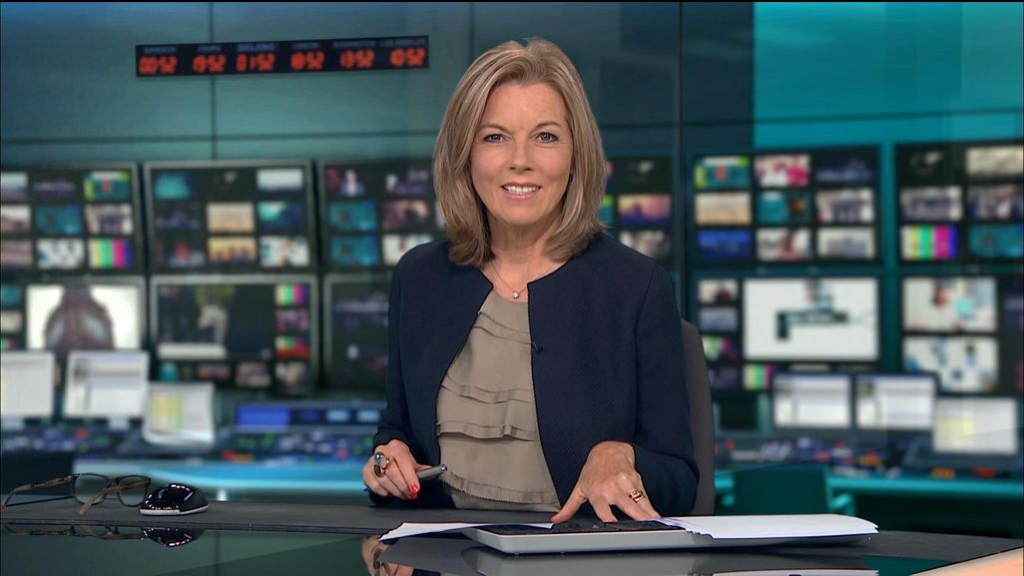
Occasional absences from broadcasts, subtle shifts in vocal delivery, and online speculation all intensified public curiosity. Behind the scenes, Mary was dealing with something she could not easily explain or predict. What began as minor vocal fatigue gradually escalated into a pattern that was both alarming and professionally threatening.
Mary Nightingale Voice Disorder: The Silent Professional Crisis
The earliest signs emerged in the early 2000s, shortly after she had settled into her landmark role at ITV Evening News. Her voice would crack, drop in volume, or fade entirely — most distressingly during live broadcasts of major news events. At times, she had to hand over mid-broadcast because her voice simply gave out.
At first, she dismissed the symptoms as tiredness or seasonal throat dryness. But the irregularity persisted and worsened. Specialists were consulted. Thorough tests were conducted. Scopes were used to examine her vocal cords. Medical experts explored multiple potential explanations — from acid reflux, which can cause significant throat damage when left unchecked, to chronic vocal overuse.
The eventual diagnosis surprised many: functional dysphonia, a stress-related voice disorder in which psychological pressure causes genuine, physical impairment of the voice without any structural damage to the vocal cords. In candid interviews, Mary reflected that years of high-pressure broadcasting combined with perfectionism had, quite literally, manifested in her body’s inability to produce sound normally.
“My voice just disappeared — not from physical damage, but from carrying too much pressure for too long.”— Mary Nightingale, as quoted in Good Housekeeping magazine
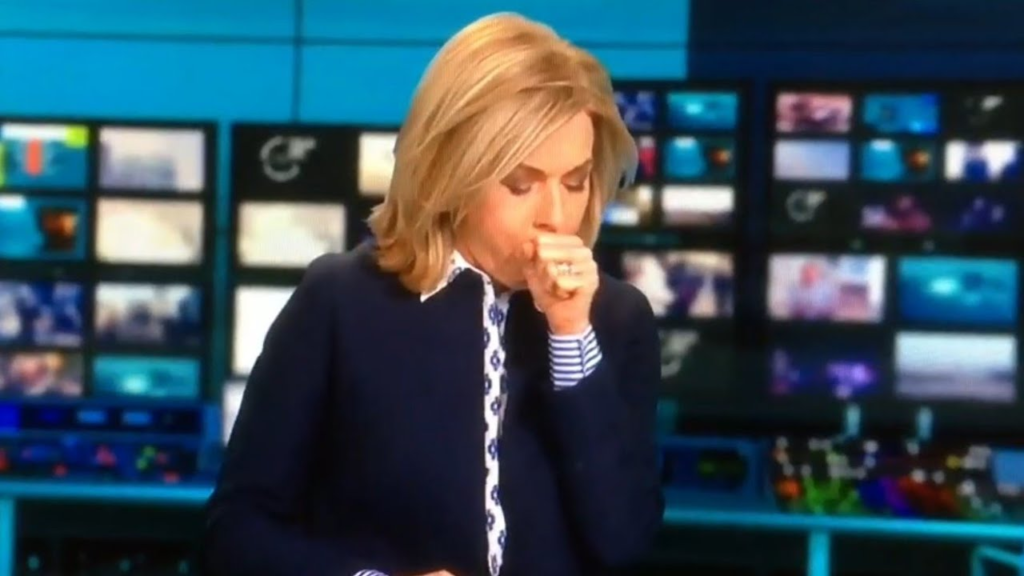
The diagnosis was both a relief and a wake-up call. There was no cancer. No vocal nodules. No irreversible damage. But the remedy was not surgical — it was behavioural. Recovery would require deep changes to how she worked, spoke, managed stress, and protected her overall wellbeing.
Mary Nightingale Throat Cancer Scare: Fear and Relief
Among the most frightening chapters of Mary Nightingale‘s health journey was the period in 2002 when she underwent tests for throat cancer. Reports at the time referred to a “mystery condition,” and the media coverage added to the anxiety felt by both Mary and the millions of viewers who had grown to rely on her.
For someone whose entire professional identity rested on her voice, the possibility of throat cancer was not merely a health concern — it was an existential threat to her career. The fear lingered throughout the testing process, a period of quiet, private anxiety that she navigated with the same composure she brought to the news desk.
Thankfully, the results came back negative. Cancer was conclusively ruled out. The news was met with enormous relief, both by Mary personally and by colleagues and viewers who had followed her story with concern. ITV confirmed at the time that her condition was being treated by specialists, and the organisation rallied to support her.
✅ Fact Check: Multiple credible sources confirm that Mary Nightingale has never been diagnosed with throat cancer. All cancer tests conducted around 2002 returned negative results. Claims suggesting otherwise are unverified.
Mary Nightingale Breast Cancer: A Second Health Battle, Met with Strength
Decades after the throat cancer scare, a new health challenge emerged. In 2023, Mary Nightingale publicly confirmed that she had been diagnosed with breast cancer. In a testament to the power of routine medical screening, the condition was identified at an early stage — a fact that proved critical to the success of her treatment and recovery.
Mary’s temporary absence from the ITV Evening News during this period sparked fresh online searches and viewer concern. In an era where a trusted presenter’s absence is immediately noticed, speculation spread quickly. The reality, however, was far more hopeful than the rumours suggested. ITV issued statements confirming that her treatment was progressing well, and colleagues across the industry expressed admiration for the grace with which she handled the diagnosis.
She did not turn her diagnosis into a public campaign. She did not dramatise her experience or seek sympathy beyond what was necessary. Instead, she shared the essential facts, reassured viewers, and continued to prioritise her health — demonstrating the same measured, dignified approach to her personal life that she applies to her journalism.
After completing treatment and recovery, Mary returned to the ITV Evening News. Her reappearance on screen was, in itself, one of the most powerful health updates she could have given.
Mary Nightingale Recovery: The Path Back to the News Desk
Recovery from both health challenges required a multifaceted approach. For the voice disorder, Mary worked closely with speech and voice specialists. Sessions focused on proper breath control — particularly deep, diaphragmatic breathing rather than the shallow chest breathing that can constrict the larynx under pressure. Vocal rest between broadcasting segments, reduced caffeine intake, improved hydration, and dietary adjustments to manage acid reflux all formed part of a comprehensive plan.
Equally important was the psychological dimension of her recovery. Throat specialist Grant Bates, secretary of the Ear Nose and Throat Association, advised that reducing anxiety about vocal performance was itself crucial — a self-reinforcing cycle where worry about the voice made the condition worse. Relaxation techniques, mindfulness, and a more balanced approach to the demands of live television became central to her long-term wellbeing.
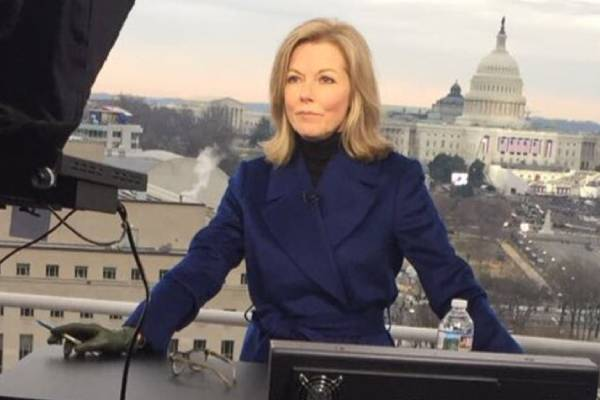
ITV played a significant role throughout. The organisation adjusted her on-air schedule, reviewed segment timing, and gave her the flexibility she needed without removing her from her position. This institutional support — rare in an industry that can be unforgiving about absence — demonstrated how workplaces can respond constructively to an employee’s health needs.
For her breast cancer recovery, the combination of early detection and modern medical treatment enabled Mary to return to full-time presenting without any prolonged interruption to her career. As of 2026, there have been no credible reports of any recurrence or additional serious health concerns.
Mary Nightingale ITV News: A Career of Enduring Trust
Mary Nightingale’s journey at ITV is one of the most remarkable in British broadcasting history. She joined the network in 2000, stepped into the lead presenter role for the ITV Evening News in 2001, and in January 2017 became its sole anchor — a position she holds to this day.
Her career spans some of the most significant events of the past quarter century. From the 2001 general election to Queen Elizabeth II’s funeral, from royal weddings to international crises, she has delivered the news with a consistency and authority that few broadcasters in any era have matched. She covered the 1991 and 1995 Rugby World Cups, presented ITV’s beloved Wish You Were Here travel programme, hosted Britain’s Best Dish, and fronted royal specials including William & Kate: The South Seas Tour in 2012.
Before ITV, Mary worked as a business journalist for TV Tokyo’s World Business Satellite, then for BBC World and Reuters Financial Television — a rigorous foundation in economic affairs that sharpened her analytical skills and on-screen composure. The TRIC Awards twice recognised her outstanding contribution to broadcasting, naming her Newscaster of the Year in both 2002 and 2004.
At 62, she remains one of the most active and respected figures in British television journalism. Her ability to adapt to a rapidly changing media landscape, maintain viewer trust across generations, and return from significant health challenges without missing a beat is a testament to both her talent and her character.
More Read
Mary Nightingale Personal Life: The Anchor Beyond the Anchor Desk
Away from the studio, Mary Nightingale has built a life she guards with the same quiet care she brings to everything else. She married television producer Paul Fenwick in April 2000 in a ceremony held in New York City. Paul, formerly the Human Resources director of Trailfinders, has been a steady presence throughout her demanding career. The couple have two children: daughter Molly Fenwick, born in January 2003, and son Joe Fenwick. The family lives in Hammersmith, West London.
In interviews over the years, Mary has spoken warmly about the importance of home life as a counterbalance to the pressures of live television. She has always maintained a clear separation between her public professional persona and her private family world — a boundary her viewers have respected and, arguably, admired.
In a rare personal moment, she has acknowledged the emotional toll that delivering difficult news can take, once noting that while she sometimes feels like crying, she does not believe it helpful to do so on screen. It is a reflection of the inner discipline that has defined her entire career — and that carried her through her health battles too.
Her estimated net worth sits between £1 million and £5 million, built primarily through her long tenure at ITV, hosting engagements, and various television specials. She has no major independent business interests, keeping her professional focus firmly on journalism.
What Mary Nightingale’s Health Journey Teaches Us
Mary Nightingale’s illness story carries lessons that reach well beyond the world of broadcasting. It shows that stress has real physical consequences — that even the most composed public figures are not immune to the toll that pressure, perfectionism, and relentless performance demands can take on the human body.
It shows that early detection saves lives. Her breast cancer was caught through routine screening at a stage where treatment was effective and recovery was achievable. Her experience is a quiet but powerful argument for the importance of regular medical check-ups.
And it shows that vulnerability and professionalism are not opposites. Mary handled both her voice disorder and her breast cancer with a dignity that deepened, rather than diminished, the public’s respect for her. She did not need a headline-grabbing campaign to make an impact. Her return to the news desk told its own story.
As she continues to present the ITV Evening News in 2026, Mary Nightingale remains exactly what she has always been: a steady, trusted voice in an uncertain world — and living proof that resilience is not about avoiding difficulty, but about meeting it with grace.