









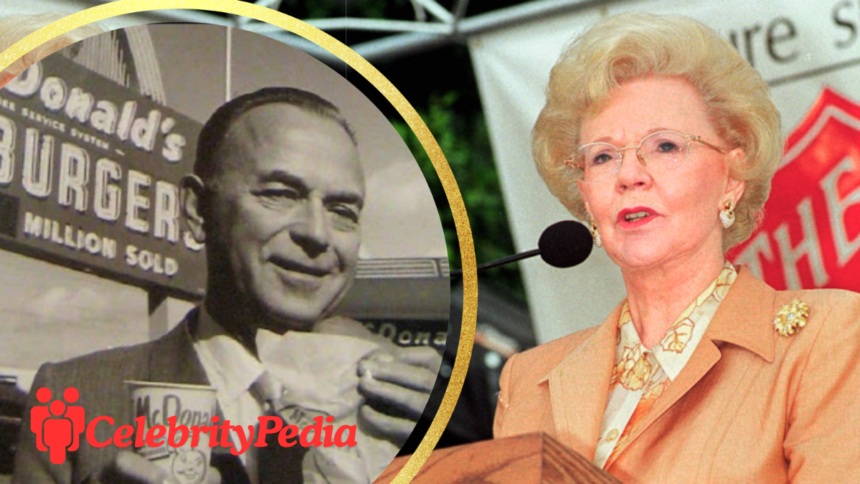
Discover the untold story of Marilyn Kroc Barg — Ray Kroc’s only daughter. Explore her biography, marriages, net worth, cause of death, equestrian passion, McDonald’s connection, philanthropy, and lasting legacy. (158 characters)
Marilyn Kroc Barg Biography: The Woman Behind the Famous Name
Most people who hear the name “Kroc” immediately think of golden arches and billion-dollar burgers. Yet behind that story of business ambition stood a quiet, compassionate woman who chose kindness over the spotlight. Marilyn Kroc Barg was Ray Kroc’s only child — and her life tells a side of the McDonald’s story that very few people know.
Born on October 15, 1924, in Chicago, Illinois, Marilyn came into the world long before her father had any idea he would one day reshape the global food industry. Her full birth name was Marilyn Janet Kroc, and she was the sole child of Ray Kroc and his first wife, Ethel Janet Fleming. Growing up in Chicago during the 1920s and 1930s, she witnessed a city — and a country — going through enormous economic change. Her childhood was shaped not by wealth or fame, but by the modest, working-class household her parents maintained before McDonald’s changed everything.
Her mother, Ethel Fleming, was born on December 25, 1890, in Ohio, and reportedly had a brief stint as an actress before marrying Ray. She was known for her quiet grace and her ability to provide a stable, loving home for Marilyn. Ray and Ethel remained married for nearly 40 years before their divorce in 1961. Throughout this time, and even after their separation, Ethel stayed close to her daughter — a bond that endured right up until Marilyn’s untimely death in 1973.
Marilyn grew up watching her father grind through years of near-misses and salesman jobs — paper cups, milkshake mixers, door-to-door hustle — before he ever laid eyes on the McDonald brothers’ restaurant in San Bernardino. She saw the struggle before the success, and that perspective shaped her values in ways that money later could not undo.
Quick Facts: Marilyn Kroc Barg at a Glance
| Detail | Information |
|---|---|
| Full Name | Marilyn Janet Kroc Barg |
| Date of Birth | October 15, 1924 |
| Place of Birth | Chicago, Illinois, USA |
| Date of Death | September 11, 1973 |
| Place of Death | Arlington Heights, Cook County, Illinois |
| Age at Death | 48 years old |
| Cause of Death | Complications from diabetes |
| Nationality | American |
| Father | Ray Kroc (McDonald’s founder) |
| Mother | Ethel Janet Fleming |
| First Husband | Sylvester Nordly Nelson (married April 27, 1949) |
| Second Husband | Walter James Barg (married May 28, 1960) |
| Children | No confirmed biological children |
| Estimated Net Worth | ~$1 million (at time of death) |
| Known For | Philanthropy, equestrian pursuits, McDonald’s legacy |
| Burial | Memorial Park Cemetery, Skokie, Illinois |
Marilyn Kroc Barg Ray Kroc Daughter: A Father-Daughter Story
Ray Kroc is one of the most celebrated businessmen in American history. His name is synonymous with ambition, franchise innovation, and the relentless pursuit of scale. But as a father, his record was quieter and more complicated. The same drive that built McDonald’s into a global empire often pulled him away from family life.
Marilyn was his only child. She grew up during the years when Ray was still a struggling salesman with big dreams and an empty wallet. She never knew the version of her father who became a billionaire — at least, not for the longest chapters of her life. Ray’s spectacular commercial success with McDonald’s didn’t truly crystallize until the late 1950s and into the 1960s, by which point Marilyn was already an adult with her own life and her own values firmly in place.
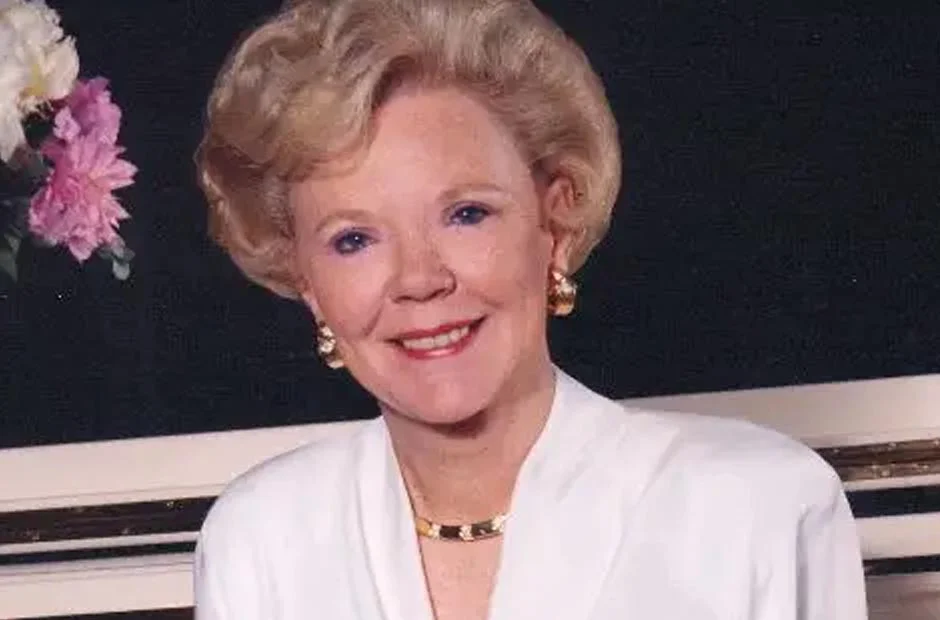
Some biographical accounts describe their relationship as warm but shaped by Ray’s consuming work ethic. He was rarely home. When he was, the conversation inevitably drifted back to business. Marilyn admired her father’s entrepreneurial spirit and his genuine belief that hard work could change a person’s destiny — but she chose a very different road. Where Ray chased growth, Marilyn chose depth. Where he built an empire, she built a life rooted in charity, animals, and personal connection.
Marilyn Kroc Barg Husband: Two Marriages, One Quiet Life
Marilyn’s personal life unfolded away from public gaze, which is exactly how she preferred it. She married twice — each time choosing men who were principled and private, much like herself.
Her first marriage was to Sylvester Nordly Nelson, a World War II veteran who had served in the 363rd Infantry. They married on April 27, 1949. The union did not last; the couple eventually divorced, and Marilyn navigated that chapter with the same quiet dignity she brought to every part of her life. Sylvester Nelson passed away in 1960 at the age of 44.
Later that same year — on May 28, 1960 — Marilyn married Walter James Barg, an administrator born on May 3, 1920, in Evanston, Illinois. This was the partnership that defined the rest of her adult years. Walter and Marilyn remained together until her death in 1973. Walter survived her by over a decade, passing away on June 17, 1984, at age 64. He was buried at All Saints Catholic Cemetery and Mausoleum in Illinois.
Marilyn Kroc Barg Children: A Private Family Matter
Questions about Marilyn Kroc Barg‘s children are among the most searched aspects of her life, yet the answers remain largely unclear. Most genealogical records and biographical sources indicate that Marilyn had no confirmed biological children from either of her marriages. Some accounts make a passing reference to a son named Douglas Barg, but this has not been independently verified with any detail. Marilyn’s preference for privacy means that her family life remains one of the quieter mysteries attached to the Kroc name.
Marilyn Kroc Barg McDonald’s: Legacy Without the Limelight
Unlike many children of powerful CEOs, Marilyn never sought a seat at the table — literally or figuratively. She did not involve herself in the day-to-day operations of McDonald’s Corporation, did not push for a board position on the strength of her surname, and did not use her family connection as a stepping stone to personal fame.
That said, her connection to the company was real and meaningful in its own way. She absorbed the spirit of her father’s enterprise — the belief that business could be a vehicle for community impact — and channeled it into causes that mattered to her. Her involvement with Ronald McDonald House Charities, in particular, reflected a deep understanding of what McDonald’s meant beyond hamburgers: a brand that could genuinely support families in crisis.
Marilyn believed that her father’s legacy was best honored not through commercial expansion, but through compassionate giving. And in that sense, she was perhaps the truest steward of everything Ray Kroc claimed to believe about giving back.
Marilyn Kroc Barg Board of Directors: Business Acumen Behind the Scenes
While Marilyn was not a visible executive figure within McDonald’s Corporation, she was not entirely removed from institutional life either. Her involvement in nonprofit governance and charitable organizations showed a woman who understood how boards function and how leadership shapes outcomes.
Her advocacy for Ronald McDonald House Charities was not a passive donor relationship — she was actively involved in supporting its mission and expansion. She understood that institutions require structure, direction, and committed leadership from the top. Her father’s example had taught her that much, even if she applied those lessons in a very different arena. For a woman who stayed largely out of the corporate world, Marilyn brought genuine organizational intelligence to the causes she championed.
Marilyn Kroc Barg Philanthropy: Giving Without the Glory
If there is one word that defines Marilyn Kroc Barg’s adult life, it is generosity. She did not wait for recognition. She did not attach her name to buildings or organize splashy fundraising galas. She gave quietly, consistently, and with genuine conviction.
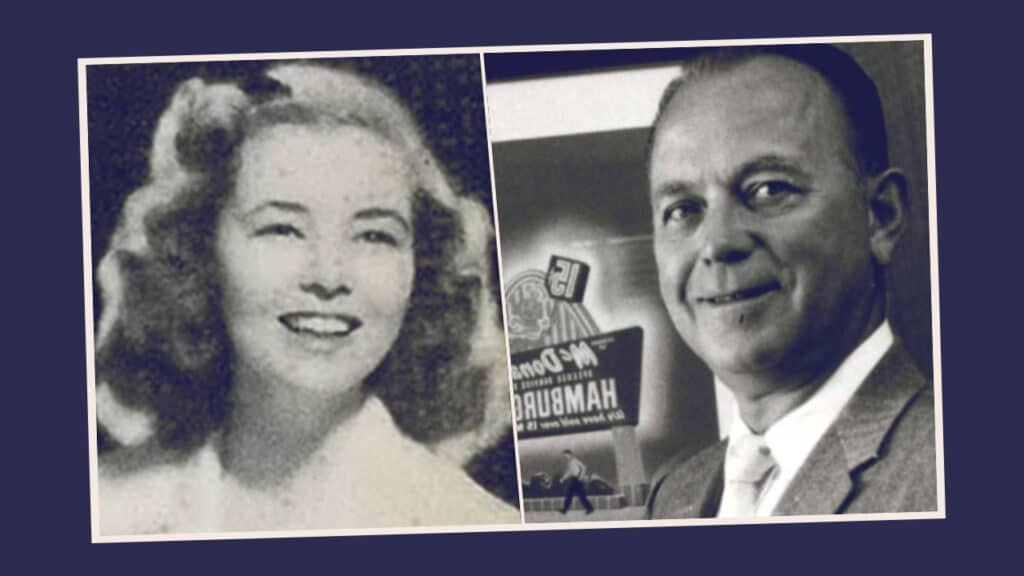
Her most significant philanthropic connection was to Ronald McDonald House Charities (RMHC) — the nonprofit that provides temporary housing and support to families whose children are receiving medical treatment at nearby hospitals. Marilyn recognized that a medical crisis does not just affect the sick child; it uproots entire families, drains savings accounts, and forces parents to choose between staying close to their child and keeping a roof over their heads. RMHC was the answer to that impossible choice, and Marilyn was among its earliest and most devoted supporters.
Beyond RMHC, she was involved with the Salvation Army — particularly its holiday kettle program, which raises money for families in need during the winter months. She also directed support toward medical research, including research related to diabetes, a disease she knew personally and intimately.
Her financial contributions were matched by her personal engagement. She showed up. She cared. And she encouraged others around her to do the same.
Marilyn Kroc Barg Equestrian Passion: The Woman Who Loved Horses
Perhaps the most distinctive and personal dimension of Marilyn’s life was her profound love of horses. This was not a casual hobby or a wealthy woman’s passing interest — it was a deep, lifelong devotion that began in childhood and shaped her identity as much as anything else.
Marilyn became particularly skilled in the breeding and displaying of Arabian horses and American Saddlebreds, two breeds that demand patience, precision, and genuine partnership between rider and animal. She was respected within equestrian circles for her knowledge and her commitment to preserving fine bloodlines. Horse breeding became both a personal passion and a professional pursuit — one of the few areas where Marilyn allowed herself to be truly, openly excellent.
In some ways, horses represented everything she valued: grace without arrogance, strength without cruelty, and a kind of beauty that didn’t need to announce itself. The equestrian world knew Marilyn Kroc Barg not as Ray Kroc’s daughter, but as a serious horsewoman in her own right. That distinction mattered to her enormously.
Marilyn Kroc Barg Cause of Death: A Life Cut Short
Marilyn Kroc Barg passed away on September 11, 1973, in Arlington Heights, Cook County, Illinois. She was 48 years old. The cause of death was complications arising from diabetes — a disease she had struggled with for a number of years before it ultimately claimed her life.
Her death came more than a decade before her father’s. Ray Kroc would survive until January 14, 1984, eventually amassing a fortune estimated at $600 million. Because Marilyn predeceased him by more than ten years, she did not inherit the full scope of the wealth he accumulated in his final years. She was laid to rest at Memorial Park Cemetery in Skokie, Illinois, with her funeral services held at Leuterberg and Dehler’s funeral home.
Those who knew her described a woman who faced her illness with the same quiet resolve she brought to everything else — without drama, without complaint, and without losing her warmth toward others.
More Read
Marilyn Kroc Barg Net Worth: Wealth Used With Purpose
At the time of her death in 1973, Marilyn Kroc Barg’s estimated net worth was approximately $1 million. This figure reflected her own earnings and financial management, separate from the vast fortune her father was continuing to build through McDonald’s.
She came from means — but she lived modestly. Money, for Marilyn, was a tool for doing good rather than a measure of success. She directed her financial resources toward charitable causes, equestrian pursuits, and a comfortable but understated personal life. Her father’s estimated worth at his death in 1984 was $600 million — a figure that, adjusted for inflation, represents over $1.4 billion in today’s terms. Marilyn’s own smaller fortune may seem modest by comparison, but the way she used it was entirely consistent with the values she held throughout her life.
A Legacy Defined by Character, Not Fame
Marilyn Kroc Barg died at 48 — too young, by any measure. And yet the life she lived in those 48 years was rich with meaning, purpose, and genuine human connection. She was Ray Kroc’s daughter, yes — but she was also a philanthropist, a horsewoman, a devoted wife, an arts supporter, and a woman who chose depth over celebrity at every turn.
Her story matters because it offers a corrective to the way we think about legacy. We tend to celebrate the loudest voices, the biggest bank accounts, the most recognizable names. Marilyn reminds us that a life spent giving, caring, and staying true to yourself is its own form of greatness — quieter, perhaps, but no less real.
In remembering Marilyn Kroc Barg, we remember that the most meaningful chapters of a family story are not always the ones printed on a menu or hung above a golden arch. Sometimes they are the ones lived in stables and hospital waiting rooms and charity halls, far from the cameras, far from the flash — but closer, always, to what actually matters.